Tips for Creating a Relaxing and Productive Home Office Environment
Creating a home office that balances productivity and relaxation is key to working efficiently without feeling overwhelmed. Whether you’re new to remote working or simply looking to improve your current workspace, a thoughtfully designed home office can make all the difference. Here are some practical tips to help you create an environment that supports both focus and calm.
Choose the Right Location
Opt for a Quiet, Dedicated Space
Selecting the ideal spot for your home office is the first step. Preferably, choose a quiet corner or a separate room where you can minimise distractions. A dedicated space helps your brain associate the area with work, improving concentration and separating professional and personal life.
Consider Natural Light and Ventilation
Good lighting is essential. Position your desk near a window if possible, to benefit from natural daylight which can reduce eye strain and improve mood. Fresh air circulation is equally important to keep your mind alert and create a pleasant atmosphere.
Invest in Comfortable and Functional Furniture
Prioritise Ergonomics
A comfortable chair and desk at the right height reduce physical strain, helping you work longer without discomfort. Look for adjustable chairs with good lumbar support and desks that allow you to maintain good posture.
Keep Essentials Within Reach
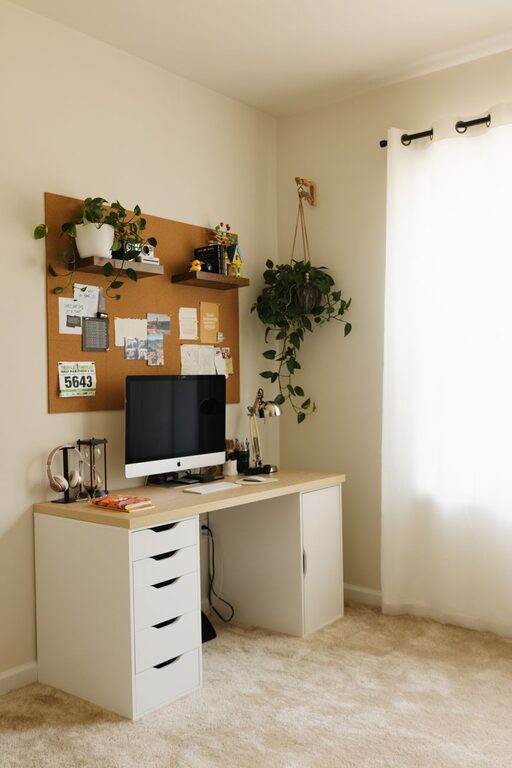
Organise your workspace so that frequently used items—such as pens, notebooks, or tech accessories—are easily accessible. This reduces time wasted searching and keeps the area neat.
Organise and Declutter
Use Storage Solutions
Tidy surroundings contribute to a relaxed mind. Use shelves, drawers, and organisers to keep paperwork and supplies in order. Labelled boxes or files make it easier to find things quickly.
Regularly Declutter
Make it a habit to clear your desk at the end of each working day. Removing clutter helps signal the end of work hours and sets a fresh start for the next day.
Personalise Your Space
Add Calming Elements
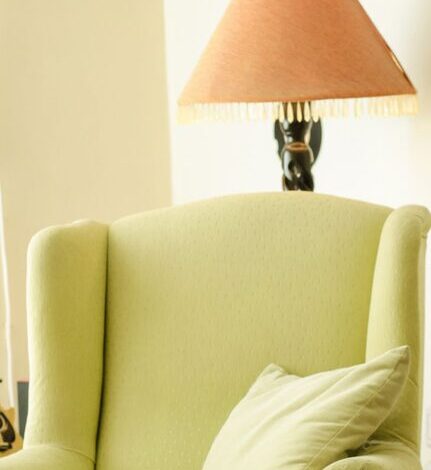
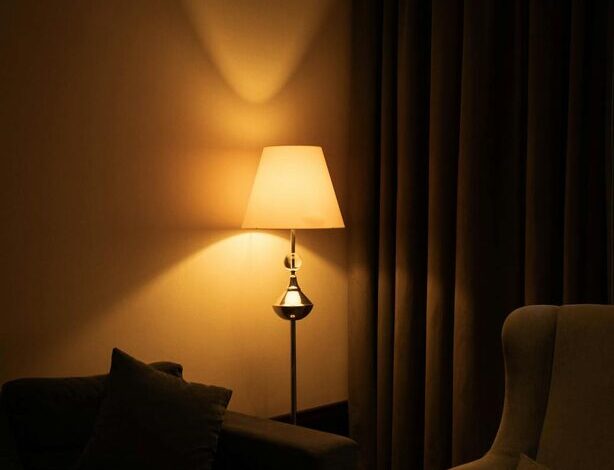
Incorporate touches that make the space inviting and calming. This might include indoor plants, which improve air quality and add a bit of nature, or soft lighting like lamps instead of harsh overhead lights.
Use Colours that Promote Focus and Calm
Colours impact mood. Soft blues and greens tend to be relaxing while also boosting creativity and concentration. Avoid overly bright or cluttered wall decorations that might be distracting.
Minimise Noise and Distractions
Use Noise-Cancelling Tools
If background noise is unavoidable, consider noise-cancelling headphones or white noise machines to create a steady, calming sound environment.
Set Boundaries
Communicate your working hours to family or housemates, and use visual cues like closed doors or “do not disturb” signs to minimise interruptions.
Manage Technology Effectively
Ensure Reliable Connectivity
Stable internet and working devices are fundamental. Invest in a good router and keep your software updated to prevent technical disruptions.
Limit Digital Distractions
Use apps or browser extensions to block distracting websites during work hours. Setting phone to ‘Do Not Disturb’ mode can also help maintain focus.
Create a Routine and Take Breaks
Designate Work Hours
Having set working hours helps maintain a healthy work-life balance. Stick to your schedule as much as possible to create boundaries between work and personal time.
Incorporate Regular Breaks
Short breaks every hour can reduce fatigue and improve productivity. Use this time to stretch, walk around, or practice breathing exercises to refresh your mind.
Enhance Wellbeing with Small Comforts
Stay Hydrated and Snack Wisely
Keep water at your desk to stay hydrated throughout the day. Healthy snacks like nuts, fruits, or yoghurt can provide sustained energy without crashes.
Include Movement Opportunities
Consider a standing desk or take walking breaks to reduce the risks associated with sitting for long periods. Small stretches or desk exercises help maintain flexibility and reduce tension.
—
By thoughtfully designing your home office with these tips, you can create a space that supports both your work goals and wellbeing. A balanced environment fosters creativity, focus, and relaxation, making your work-from-home experience more enjoyable and productive.